Walnut Creek, California • LNG/LPG Operational Systems

Operational Integrity for High-Risk Energy Infrastructure.

LNG expansion, digitalization, compliance complexity, crew competence gaps, and evolving energy infrastructure are reshaping maritime operations.

With 22+ years across LNG/LPG carrier environments, Virdhaval “Veer” Patankar brings frontline operational insight into how these systems succeed, fail, and evolve — translating gas carrier experience into risk mitigation, assurance readiness, digital workflow thinking, and high-consequence operational intelligence.

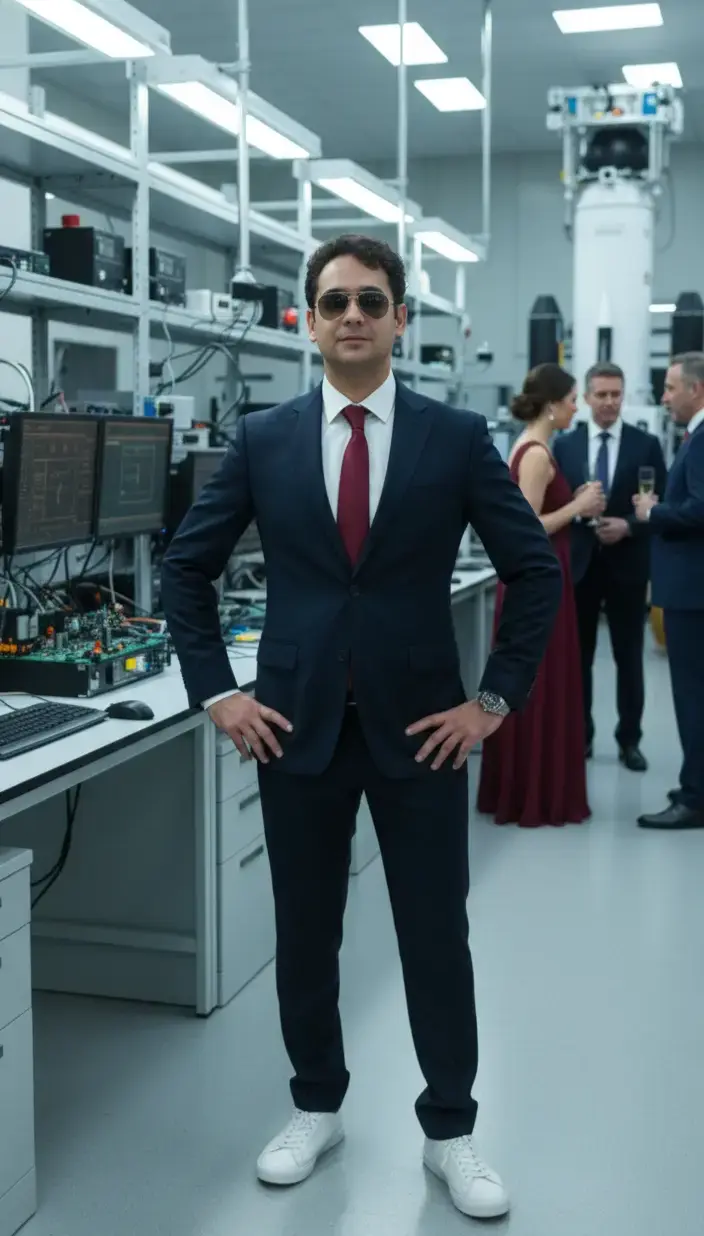
Virdhaval Veer Patankar, LNG LPG maritime operations specialist

The maritime energy landscape is changing faster than operational knowledge can scale.

Energy companies and shipping organizations are facing a new class of operational challenges: LNG fleet expansion, alternative-fuel competence gaps, SIRE 2.0 assurance expectations, digital systems disconnected from shipboard reality, and rising pressure to maintain safety, reliability, and compliance under changing infrastructure demands.

01

LNG/LPG Operational Complexity

Problem: As LNG and LPG operations expand, companies need people who understand cargo behavior, pressure-temperature relationships, reliquefaction, gassing-up, gas-freeing, terminal interface, and operational continuity.

Relevance: Frontline exposure to LNG/LPG cargo systems, cargo stabilization, reliquefaction, STS operations, and high-risk shipboard environments.

Operational insight into complex LNG/LPG systems during a period of accelerated fuel transition and infrastructure complexity.
02

Digitalization vs Operational Reality

Problem: Shipping companies are adopting dashboards, automation, reporting systems, and digital inspection tools, but many are designed without enough shipboard reality.

Relevance: Experience across real maritime operations and workflow systems, including CRM design, automation, websites, reporting structures, Excel/macros, and digital process thinking.

Translating frontline maritime operations into usable digital workflows, reporting systems, and process automation.
03

SIRE 2.0 & Assurance Readiness

Problem: Vetting is moving beyond checklist compliance toward human performance, evidence quality, operational competence, and safety culture.

Relevance: Experience with vetting environments, cargo operations, crew coordination, safety procedures, and operational discipline under inspection pressure.

Bridging vessel-level operational discipline with modern assurance, inspection readiness, and human-performance expectations.
04

Crew Competence & Training Gaps

Problem: Alternative fuels, digital systems, and increasing procedural complexity are creating gaps between written procedures and practical execution.

Relevance: 22+ years of real shipboard judgment in high-risk cargo environments, where competence is tested under pressure.

Practical competence development for crews operating in high-consequence fuel and cargo environments.
05

Operational Risk Visibility

Problem: Companies collect more operational data than ever, but data alone does not reveal risk unless interpreted by people who understand failure chains.

Relevance: Experience identifying where small deviations in cargo, equipment, communication, or procedure can become larger operational risks.

Systems-oriented operational thinking focused on reliability, consequence awareness, and infrastructure integrity.
06

Energy Transition Execution

Problem: Energy transition projects are creating new fuel pathways, new compliance demands, and new operational uncertainty.

Relevance: LNG/LPG experience provides practical understanding of gas handling, cargo behavior, operational constraints, and safety-critical systems.

Operational perspective on gas cargo handling, emissions-sensitive procedures, and energy-transition execution realities.

From sea language to executive-relevant operational value.

Traditional maritime experience is often described in operational terms. The real value emerges when that experience is translated into corporate language: risk mitigation, asset protection, operational continuity, compliance discipline, and infrastructure reliability.

Sea Language

Managed LPG cargo cooling, pressure control, and cargo stabilization.

Corporate Language

Oversaw operational integrity of high-risk gas cargo systems within strictly regulated maritime environments, supporting safe cargo continuity, containment reliability, and asset protection.

Sea Language

Conducted ship-to-ship cargo transfers.

Corporate Language

Coordinated high-consequence transfer operations requiring environmental assessment, communication discipline, human-factor awareness, emergency readiness, and multi-party operational control.

Sea Language

Prepared for SIRE inspections and terminal checks.

Corporate Language

Operated within rigorous assurance environments where documentation quality, crew competence, procedural discipline, and safety culture directly influence commercial acceptability and operational trust.

Sea Language

Worked on LPG reliquefaction plants and cargo systems.

Corporate Language

Maintained operational awareness of cargo integrity systems, pressure-temperature control, technical reliability, and failure-chain prevention in gas carrier environments.

Sea Language

Built websites, CRM systems, and automated communication workflows.

Corporate Language

Designed workflow and communication systems to improve process consistency, client continuity, operational visibility, and scalable execution.

Understanding where systems become fragile.

High-risk maritime operations are not only about equipment. They involve people, procedures, alarms, checklists, cargo behavior, environmental conditions, communication, time pressure, and organizational expectations.

The objective is to understand how these layers interact — and where weak signals can become serious consequences.

A

Operational Integrity

Maintaining discipline and stability in high-consequence environments where safety, cargo integrity, and commercial continuity depend on reliable execution.

B

Failure-Chain Awareness

Recognizing how small deviations in cargo behavior, equipment condition, communication, or procedure can escalate into larger operational risks.

C

Human-Factor Judgment

Understanding crew behavior, fatigue, communication gaps, procedural drift, and the practical difference between written compliance and real execution.

D

Digital Workflow Thinking

Building systems that reduce friction, improve visibility, support communication, and convert operational complexity into structured execution.

Operational integrity is the discipline of seeing consequences before they become incidents.

The future of maritime leadership is not only experience at sea. It is the ability to translate operational reality into safer systems, clearer processes, stronger assurance readiness, and better infrastructure decisions.

Philosophical principles translated into practical LNG/LPG operational discipline.

These articles demonstrate how high-risk maritime operations require more than technical knowledge. They require structured thinking, root-cause discipline, human-factor awareness, and consequence-based decision-making.

Chesterton’s Fence: A Philosophical Framework for Safety Culture on Gas Carrier Ships

Many rules at sea are written in blood. Before removing or simplifying a procedure, understand the hazard it was built to prevent.

Corporate translation: Safety-barrier preservation and procedural intelligence.

This article explores why procedures, permits, checklists, alarms, and barriers onboard gas carriers should not be bypassed simply because they appear repetitive.

Many exist because of prior incidents, accumulated operational experience, and hard lessons from high-risk environments. The core lesson is simple: before changing, simplifying, bypassing, or criticizing a procedure, understand why it exists, what hazard it prevents, and what historical lesson created it.

Read Full Article Open Blog

The Anthropic Principle on LPG Carriers

How human presence shapes the design, safety systems, alarms, emergency procedures, and operational limits of LPG carriers.

Corporate translation: Human-centered operational design for high-risk gas infrastructure.

Every system onboard an LPG carrier exists partly because humans must safely observe, operate, intervene, and survive within that environment. Cargo containment, gas detection, ventilation, alarms, lifeboats, ESD systems, and operational procedures are all shaped by human presence.

Read Full Article Open Blog

The Principle of Sufficient Reason on LPG Carriers

Every procedure, alarm, route decision, maintenance routine, and risk assessment must have a reason.

Corporate translation: Root-cause discipline and operational decision intelligence.

This article frames LPG carrier operations as a cause-and-effect environment. Tank pressure changes, valve behavior, route selection, emergency drills, and regulatory requirements are never random. The principle encourages investigation, root-cause thinking, and disciplined decision-making.

Read Full Article Open Blog

The Butterfly Effect on LPG Carriers

Small deviations in gas-carrier operations can cascade into major safety, commercial, or operational consequences.

Corporate translation: Failure-chain awareness in complex maritime systems.

A small communication lapse, valve issue, weather shift, sensor fault, or missed inspection can trigger larger consequences in cargo handling, navigation, stability, fuel efficiency, and safety. This article shows why vigilance and early intervention matter.

Read Full Article Open Blog

Occam’s Razor and LPG Reliquefaction Plants

Simplicity improves reliability, safety, troubleshooting, and maintenance in complex LPG cargo systems.

Corporate translation: Operational simplification without compromising safety.

This article applies Occam’s Razor to reliquefaction plants, valve arrangements, troubleshooting, safety procedures, and maintenance routines. The core message is that unnecessary complexity creates failure points.

Read Full Article Open Blog
Business Operations Support

Supported and scaled salon and tattoo-related businesses including Just Nails, Witch Art Tattoo, and Just Nails Kharghar.

Digital Infrastructure

Built and managed websites, online presence, booking flows, and brand visibility systems.

CRM & Automation

Designed in-house workflows for client communication, aftercare emails, and operational follow-up.

Growth Systems

Contributed to review presence and social visibility through process consistency and digital execution.

Bay Area-based LNG/LPG operational systems specialist.

Combining shipboard gas carrier experience, risk intelligence, compliance culture, and digital workflow capability.

Virdhaval “Veer” Patankar

22+ years of maritime experience across LNG/LPG carrier operations, STS transfers, cargo integrity, vetting environments, reliquefaction systems, dry dock exposure, gassing-up, gas-freeing, and shipboard safety culture.

  • LocationWalnut Creek, California
  • Phone+1 510 390 2819
  • Emailinfo@gascarrierops.com
  • FocusLNG/LPG operations, assurance, modernization
  • Digital StrengthWorkflow automation, CRM, websites
  • Strategic FitMarine assurance, operations, systems
Currently based in the United States on O-3 status and open to discussions involving appropriate U.S. work authorization pathways for specialized shore-based maritime, operations, or technical roles.